How Sustainable Guatemalan Handicrafts Connect Culture, Innovation, and Development
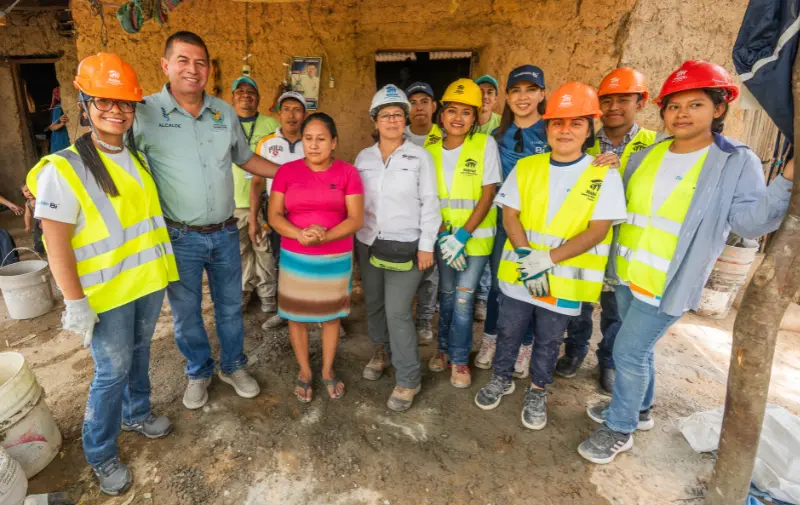
Every piece of fabric, embroidery, or handcrafted item holds a story that goes far beyond its beauty. Behind each creation are families, knowledge passed down through generations, and communities that find in craftsmanship a way to preserve their identity and build opportunities for the future. With this vision in mind, sustainable Guatemalan craftsmanship was the central focus of the visit to Guatemala by renowned Colombian designer and social entrepreneur Juan Pablo Socarrás.
The goal of his academic and community tour was to share experiences related to purpose-driven design, sustainability, and the circular economy, while promoting an exchange of knowledge between the academic world and the traditional craft techniques that are part of the country’s cultural heritage.
More than just a professional visit, this meeting provided an opportunity to initiate discussions on how design can become a tool for generating economic development, strengthening communities, and protecting cultural heritage.
Sustainable Guatemalan crafts and design with social impact
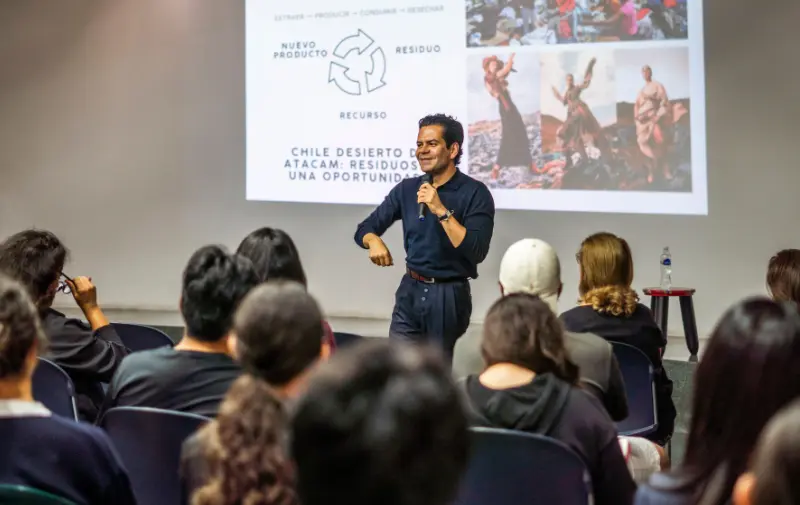
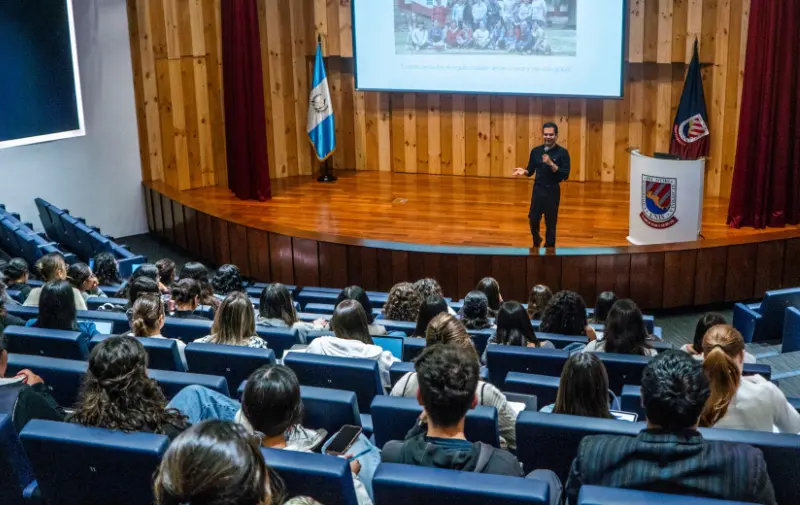
During his stay in Guatemala, Juan Pablo Socarrás participated in various educational events alongside college students interested in learning about new ways to connect creativity with social impact.
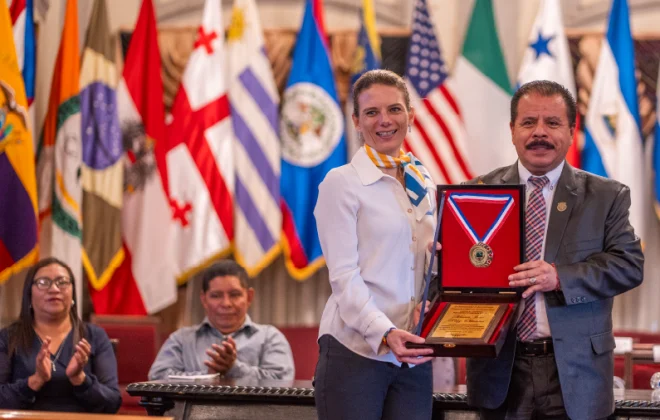
The agenda began with training sessions at the Universidad del Istmo (UNIS), where he shared methodologies focused on purpose-driven design. He then held a discussion with students at the Ixchel Museum of Indigenous Costumes, located on the campus of the Universidad Francisco Marroquín (UFM).
This session addressed topics such as:
- Fashion with a Social Impact
- Circular Economy
- Upcycling
- Sustainability in the Creative Industry
- The Cultural Value of Artisanal Processes
These conversations gave students insight into a vision of design that seeks not only to create attractive products, but also to bring about positive change in communities.
When creativity is put to work for people, new opportunities arise to build more inclusive and sustainable development models.
The value behind every handcrafted piece
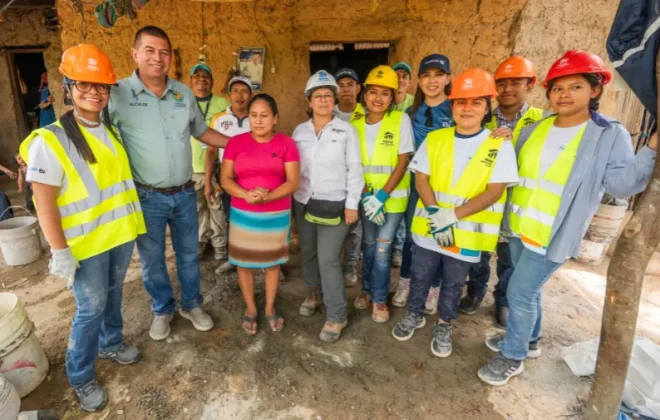
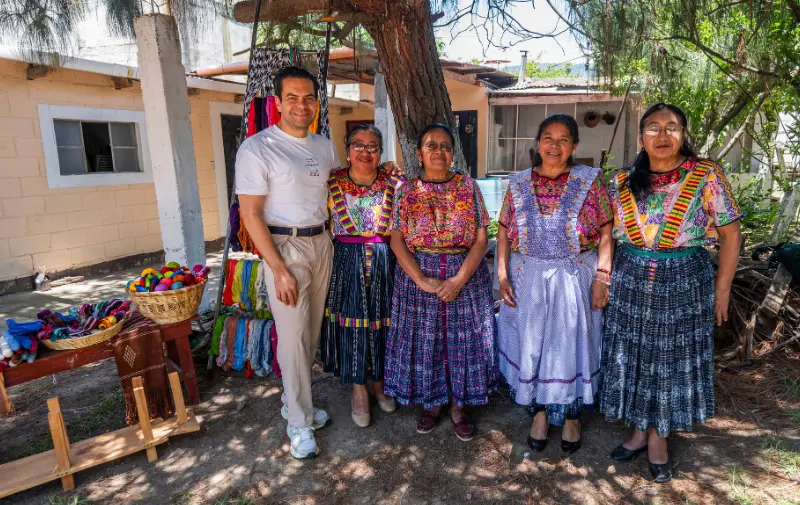
After the academic activities, the tour continued to various artisan communities in Quetzaltenango, Sololá, and Quiché.
There, the designer had the opportunity to see firsthand the workshops, production processes, and value chain behind Guatemalan craftsmanship.
Traditions passed down from generation to generation
Each community we visited reflects the efforts of men and women who have devoted years to preserving ancestral techniques.
For example:
- Families who keep the art of traditional weaving alive.
- Artisans who continue to work with wood using techniques passed down from their ancestors.
- Women who pass on textile knowledge to new generations.
These practices are not just a source of income; they are also an essential part of Guatemala's cultural identity.
Often, when someone looks at a finished piece of handicraft, they fail to see the hours of work, dedication, and expertise that went into it.
That is why initiatives that strengthen the artisan sector help us recognize the human value inherent in each creation.
Supporting artisans means championing stories of hard work, preserving traditions, and contributing to the development of entire communities.
Guate a Mano: A Platform for Creating Opportunities
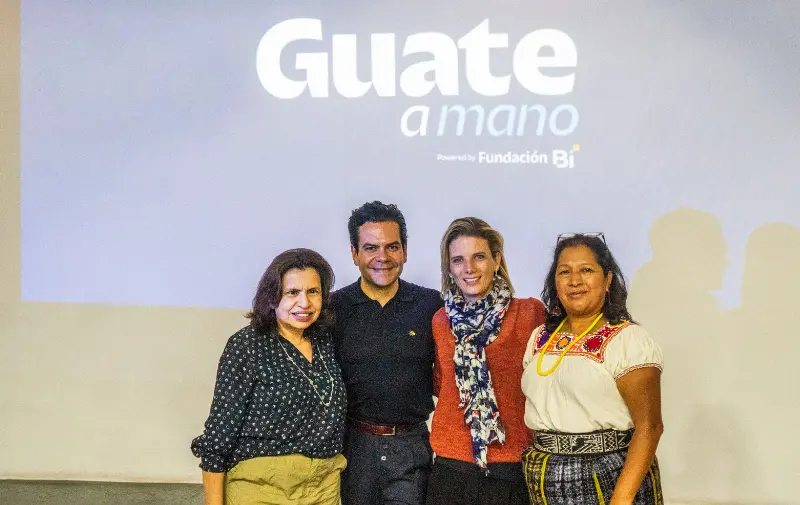
Juan Pablo Socarrás's visit also reinforces the vision of the Guate a Mano program, an initiative that seeks to promote the comprehensive economic development of Guatemala's artisan sector.
Through this platform, we promote the connection between traditional knowledge and new opportunities for growth, incorporating tools for innovation, sustainability, and market access.
Sharing experiences with international experts helps enrich existing processes and open up new perspectives for the participating artisan groups.
In addition, it helps local talent continue to establish itself as a benchmark for quality, authenticity, and creativity.
When design, education, and tradition come together, they create opportunities that can transform lives.
Behind every artisan is a family striving to make ends meet. Behind every ancestral technique is a story worth preserving. And behind every learning opportunity lies the potential to build a more sustainable future for communities.
Fundación Bi continues to support initiatives that nurture talent, promote holistic development, and create spaces where culture and opportunities can grow hand in hand. Because preserving our traditions also means investing in the people who keep them alive every day.